
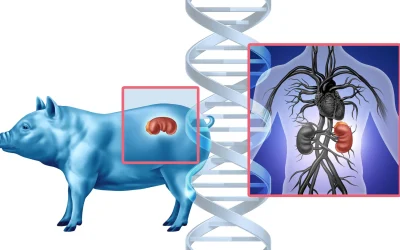
Scientists just mapped how the body rejects pig organs—and how to stop it

A pioneering study has provided unprecedented insights into the immune response following pig-to-human kidney xenotransplantation.1 The findings, presented today at the ESOT Congress 2025, mark a significant step forward in overcoming the biggest challenge in xenotransplantation: rejection by the human immune system. Using cutting-edge spatial molecular imaging, researchers mapped how human immune cells interact with…


Read More

Nature’s Memory review: A new book reveals the deep flaws in our natural history museums

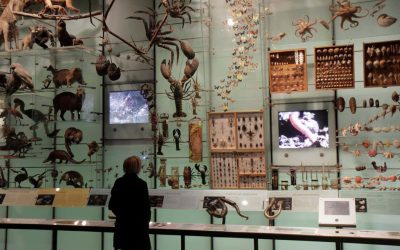
What’s missing? Pondering the displays at the American Museum of Natural History in New York City Jeffrey Greenberg/Universal Images Group via Getty Images Nature’s MemoryJack Ashby (Allen Lane) Museums are strange things, Jack Ashby, assistant director of the University Museum of Zoology in Cambridge, UK, points out in his new book, Nature’s Memory: Behind the…

Read More

This brain scan sees Alzheimer’s coming—but only in some brains

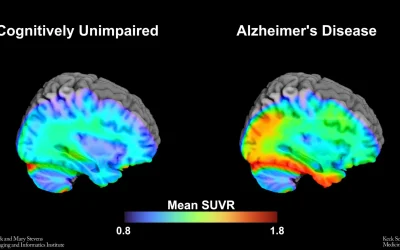
A team of researchers from the Keck School of Medicine of USC’s Mark and Mary Stevens Neuroimaging and Informatics Institute (Stevens INI) has identified a new brain imaging benchmark that may improve how researchers classify biologically meaningful changes associated with Alzheimer’s disease, especially in Hispanic and non-Hispanic White populations. The new study, published in Imaging…

Read More

The gene that hijacks fear: How PTEN rewires the brain’s anxiety circuit

PTEN Connection to Autism: Up to 25% of those with brain overgrowth and autistic spectrum disorder (ASD) carry variations in a gene called PTEN; PTEN-deficient mouse models exhibit ASD-like characteristics Cell-type Specific Model: PTEN loss in specific neurons leads to circuit imbalance and altered behavior Excitation-Inhibition Imbalance: Strengthened excitatory drive and loss of local inhibitory…

Read More