

Turning CO2 into clean fuel faster and cheaper

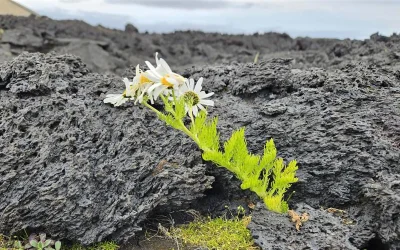
A team of scientists led by Dr. Kee Young Koo from the Hydrogen Research Department at the Korea Institute of Energy Research (President Yi Chang-Keun, hereafter referred to as KIER) has created a world-leading catalyst capable of transforming carbon dioxide, a major greenhouse gas, into an essential ingredient for producing eco-friendly fuels. The reverse water-gas…

Read More

A 480-million-year-old parasite still infects oysters today

A surprising new study has revealed that a parasite still troubling modern oysters first began infecting shell-dwelling sea creatures hundreds of millions of years before the dinosaurs vanished. Researchers reporting in iScience used high-resolution 3D imaging to examine 480-million-year-old fossil shells from Morocco, a site famous for its exceptionally preserved marine life. The scans uncovered…

Read More

Cockroaches are secretly poisoning indoor air

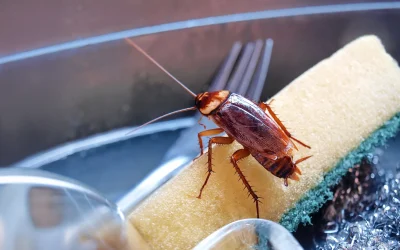
Researchers at North Carolina State University have identified a clear connection between the extent of cockroach infestations in homes and the amount of allergens and bacterial toxins known as endotoxins found indoors. The team discovered that when pest control successfully reduced cockroach numbers, both allergen and endotoxin levels dropped sharply. These results indicate that eliminating…

Read More

Scientists uncover the secret triggers of ‘impossible’ earthquakes

Earthquakes in places like Utah (USA), Soultz-sous-Forêts (France), and Groningen (the Netherlands) seem puzzling to scientists because, according to geological theory, they shouldn’t be possible. In these regions, the shallow layers of the Earth’s crust are thought to behave in a way that strengthens faults when they begin to move. Textbooks suggest that this strengthening…

Read More

2.7-million-year-old tools reveal humanity’s first great innovation

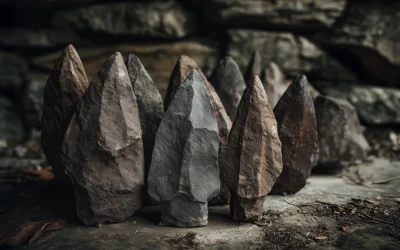
For nearly 300,000 years, early humans shaped stone tools with precision, even as they faced constant wildfires, severe droughts, and dramatic shifts in their environment. A new study published in Nature Communications reveals astonishing evidence of this long-lived technological tradition in Kenya’s Turkana Basin. At the Namorotukunan Site, an international team of researchers uncovered one…

Read More

5,500-year-old site in Jordan reveals a lost civilization’s secrets

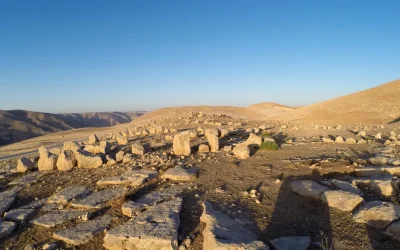
How did early civilizations respond when their worlds fell apart? Archaeologists from the University of Copenhagen believe the 5,000-year-old site of Murayghat in Jordan may reveal some clues. Their extensive excavations suggest that this Early Bronze Age community developed powerful new traditions in the aftermath of cultural collapse. Murayghat rose to prominence after the decline…

Read More