
Here’s how to spot the Leonid meteor shower this month

“This year, the Leonid meteor shower is timed almost perfectly with a new moon…” WALTER PACHOLKA, ASTROPICS/SCIENCE PHOTO LIBRARY There is something magical about watching a meteor shower. Part of this is down to the shower’s unpredictability – the conditions can appear perfect, yet you may still end up underwhelmed, especially when you are promised…

Read More

Clearing brain plaques isn’t enough to heal Alzheimer’s

Researchers at Osaka Metropolitan University in Japan, led by graduate student Tatsushi Oura and Dr. Hiroyuki Tatekawa, discovered that the Alzheimer’s treatment lecanemab, which removes amyloid plaques from the brain, does not improve the brain’s waste clearance system in the short term. The results indicate that even after treatment, the nerves of Alzheimer’s disease (AD)…

Read More

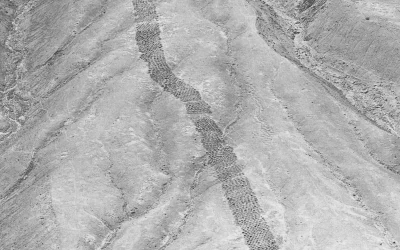
Archaeologists may have finally solved Peru’s strange “Band of Holes” mystery

In southern Peru’s Pisco Valley, Monte Sierpe — also known as the “Band of Holes” — features thousands of perfectly aligned circular pits whose true purpose has long puzzled scientists. New research combining microbotanical analysis and high-resolution drone imagery offers fresh insight into how and why this mysterious site was built. Evidence suggests Monte Sierpe…

Read More

Scientists find brain chemical tied to trauma and depression

Neuroscientists from Columbia University and McGill University have identified a brain chemical that appears to drive depression and suicidal thinking in individuals who faced trauma or hardship during childhood. The researchers found that high levels of a stress-related protein called SGK1 are closely associated with depression among people who endured early-life adversity. This discovery opens…

Read More

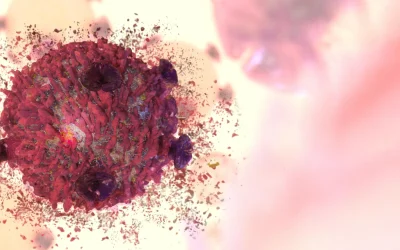
Hidden weakness makes prostate cancer self-destruct

An international team of researchers has identified a new weakness in prostate cancer cells that could lead to more effective treatments for one of the most common cancers among men. The study, published in the Proceedings of the National Academy of Sciences (PNAS), was led by scientists from Flinders University in Australia and South China…

Read More