


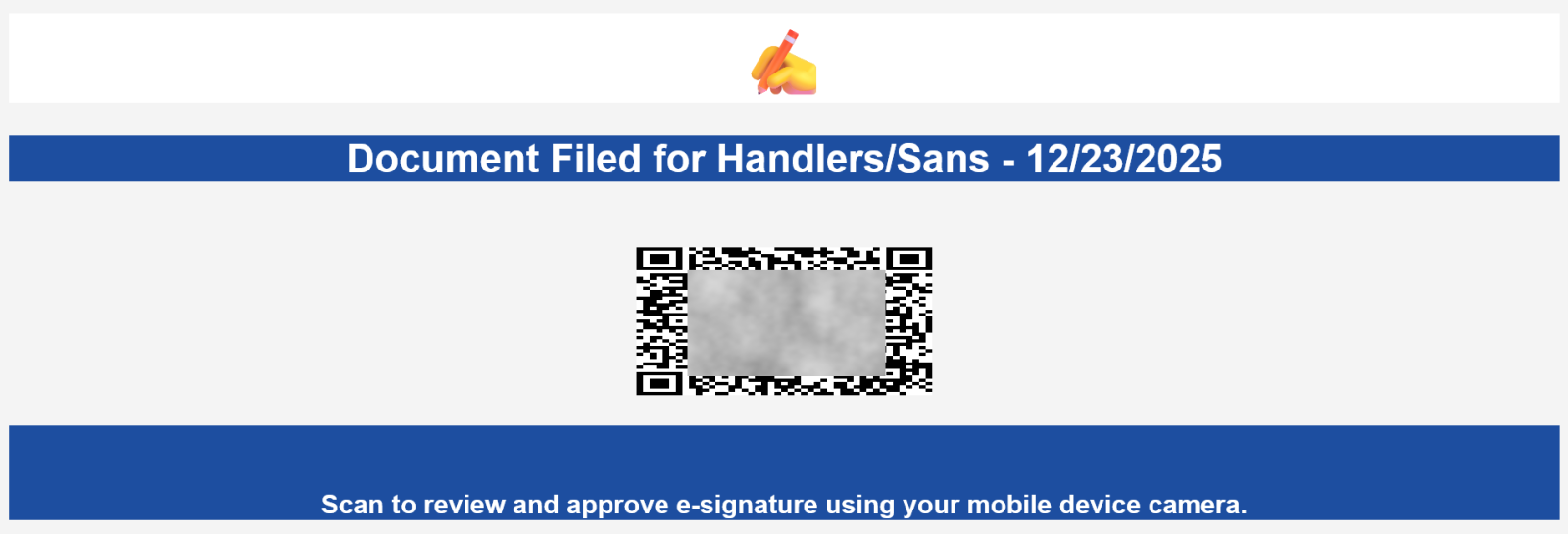
Malicious use of QR codes has long been ubiquitous, both in the real world as well as in electronic communication. This is hardly surprising given that a scan of a QR code can lead one to a phishing page as easily as clicking a link in an e-mail.
No more surprising is that vendors of security technologies have, over time, developed mechanisms for detecting and analyzing images containing QR codes that are included in e-mail messages[1,2]. These security mechanisms make QR code-based phishing less viable. However, due to the “cat and mouse” nature of cybersecurity, threat actors continually search for ways of bypassing various security controls, and one technique that can be effective in bypassing QR code detection and analysis in e-mail messages was demonstrated quite well in a recent string of phishing messages which made it into our inbox.
The technique in question is based on the use of imageless QR codes rendered with the help of an HTML table. While it is not new by any stretch[3], it is not too well-known, and I therefore consider it worthy of at least this short post.
Samples of the aforementioned phishing messages I have access to have been sent out between December 22nd and December 26th, and all of them had the same basic layout consisting of only a few lines of text along with the QR code.

Although it looks quite normal (except perhaps for being a little “squished”), the QR code itself was – as we have indicated above – displayed not using an image but rather with the help of an HTML table made up of cells with black and white background colors, as you can see from the following code.